
Razer Viper V3 Pro review
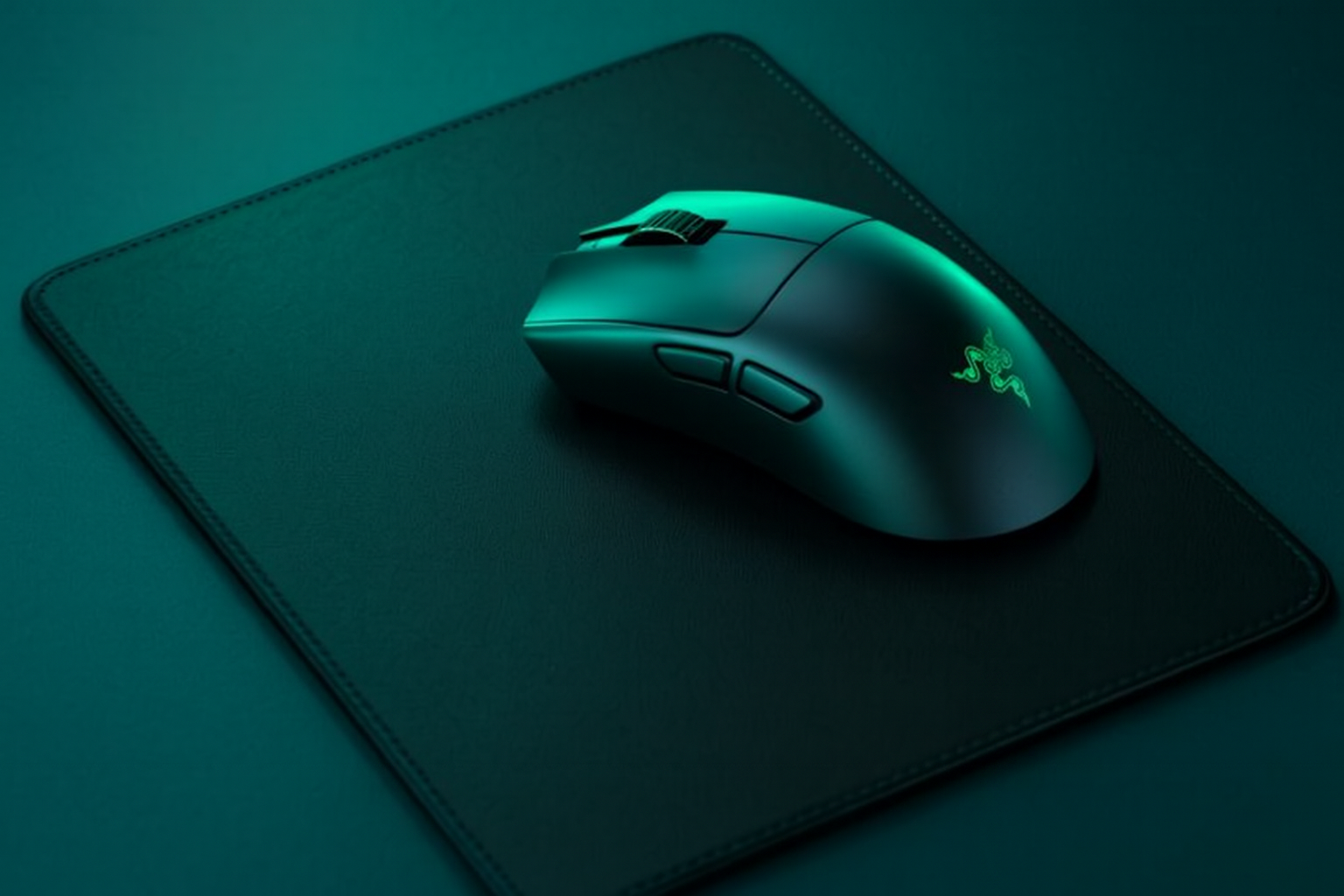
The Razer Viper V3 Pro is Razer’s flagship ultra-light esports mouse. It is built for players who want low latency, a lightweight frame, and a highly responsive sensor. With its Focus Pro 35K sensor, HyperSpeed wireless, and sub-60g design, it targets competitive FPS players who prefer claw or fingertip grips. In this review, we cover its key specs, real-world performance, comfort, and how it compares to other leading esports mice.
- Weight: ~59g
- Sensor: Focus Pro 35K
- Polling: Up to 8,000Hz
- Connection: HyperSpeed Wireless / USB-C
- Best For: Claw & Fingertip FPS
| Key Specifications | |
|---|---|
| Weight | ~59g |
| Sensor | Razer Focus Pro 35K |
| Polling Rate | 1000Hz (up to 8000Hz with HyperPolling dongle) |
| Connection | Razer HyperSpeed Wireless / USB-C |
| Battery Life | ~90 hours at 1000Hz |
| DPI Range | Up to 35,000 DPI |
| Shape | Ambidextrous, low-profile |
| Best For | Competitive FPS, claw & |
In This Review
Overview & Key Features
The Razer Viper V3 Pro aims to be a no-compromise esports mouse. It drops weight while improving tracking accuracy and wireless stability. At around 59g, it is extremely light for a full-size wireless mouse, especially one with a sturdy shell and a high-end sensor.
The Focus Pro 35K sensor supports up to 35,000 DPI and offers strong surface tracking. It performs well at both low and high sensitivities. The low-profile shape suits claw and fingertip players who need fast control for flicks and micro-adjustments. There is no RGB lighting or extra design features. Everything focuses on performance: a light chassis, reliable wireless, and a shape built for precision.
Performance & User Experience
In real gameplay, the Viper V3 Pro feels fast and responsive. HyperSpeed wireless delivers click latency that feels as quick as wired in most situations. Tracking with the Focus Pro 35K sensor is clean and steady, with no acceleration or smoothing that affects aim in competitive shooters or aim trainers.
The optional HyperPolling dongle increases polling to 8,000Hz. Players chasing the lowest input delay may notice a difference, but many users will find 1000–2000Hz more than enough. At higher levels of play, the combination of high polling and a light shell can feel more controlled and precise.
During testing, tracking stayed consistent across cloth and hybrid pads. The mouse handled fast swipes, long tracks, and subtle adjustments without issues. Buttons feel crisp with clear feedback, and the side buttons are placed well. They are easy to press without causing accidental clicks in intense matches.
Comparison
Compared to the Logitech G Pro X Superlight 2, the Razer Viper V3 Pro has a flatter, lower-profile shape. This design strongly favors claw and fingertip players. Logitech’s mouse has a safer and more rounded shape that works for a wider range of grip styles, making it more versatile.
Both mice offer excellent performance. The Viper V3 Pro’s Focus Pro 35K sensor and optional HyperPolling support appeal to players who want maximum responsiveness. Battery life at 1000Hz is strong, though higher polling can drain it faster than Logitech’s design. If you prefer a shape tailored to claw and fingertip play, the V3 Pro stands out. If you want a more adaptable shape and longer battery life, the Superlight 2 remains a reliable pick.
Looking for more options? Check out our best gaming mouse.
Pros & Cons
- Extremely light yet durable shell
- Focus Pro 35K sensor offers precise tracking
- HyperSpeed wireless feels fast and stable
- Ideal for claw and fingertip grips
- Strong battery life at 1000Hz
- Higher price than many competitors
- 8K polling needs a separate HyperPolling dongle
- Flat, low-profile shape is not ideal for full palm grips
FAQ
How does the Razer Viper V3 Pro compare to the Logitech G Pro X Superlight 2?
Both mice target competitive FPS players with light builds and excellent wireless performance. The Viper V3 Pro suits claw and fingertip grips thanks to its flat profile, while the Superlight 2 fits more grip types. Logitech offers stronger battery life, while Razer provides higher polling and DPI options.
Is the Razer Viper V3 Pro worth upgrading from the Viper V2 Pro?
Yes, if you value the lighter weight, better coating, and improved sensor performance. Competitive players who aim at high sensitivities may notice the extra control. Casual players may not feel a large difference.
Is the Viper V3 Pro good for palm grip?
It can work for relaxed hybrid grips, but its shape favors claw and fingertip users. Players who prefer a taller hump or fuller palm support may be more comfortable with a different mouse.
Do you need the 8,000Hz HyperPolling dongle?
No. The mouse performs very well at 1000Hz. The HyperPolling dongle is only for players who want the absolute lowest latency and can notice small changes in responsiveness.
Final Verdict
The Razer Viper V3 Pro is one of the best esports mice available today. Its ultra-light weight, fast wireless connection, and precise Focus Pro 35K sensor make it a top choice for claw and fingertip players. Optional 8K polling adds extreme responsiveness for competitive users. Although the price is high and the shape won’t suit every grip, it delivers excellent performance for the right player.
Pingback: Logitech G Pro X Superlight 2 Review: Best FPS Gaming Mouse
Pingback: Glorious Model O 2 Review: Lightweight Wireless Gaming Mouse