
Nvidia GeForce RTX 5060 Ti Review
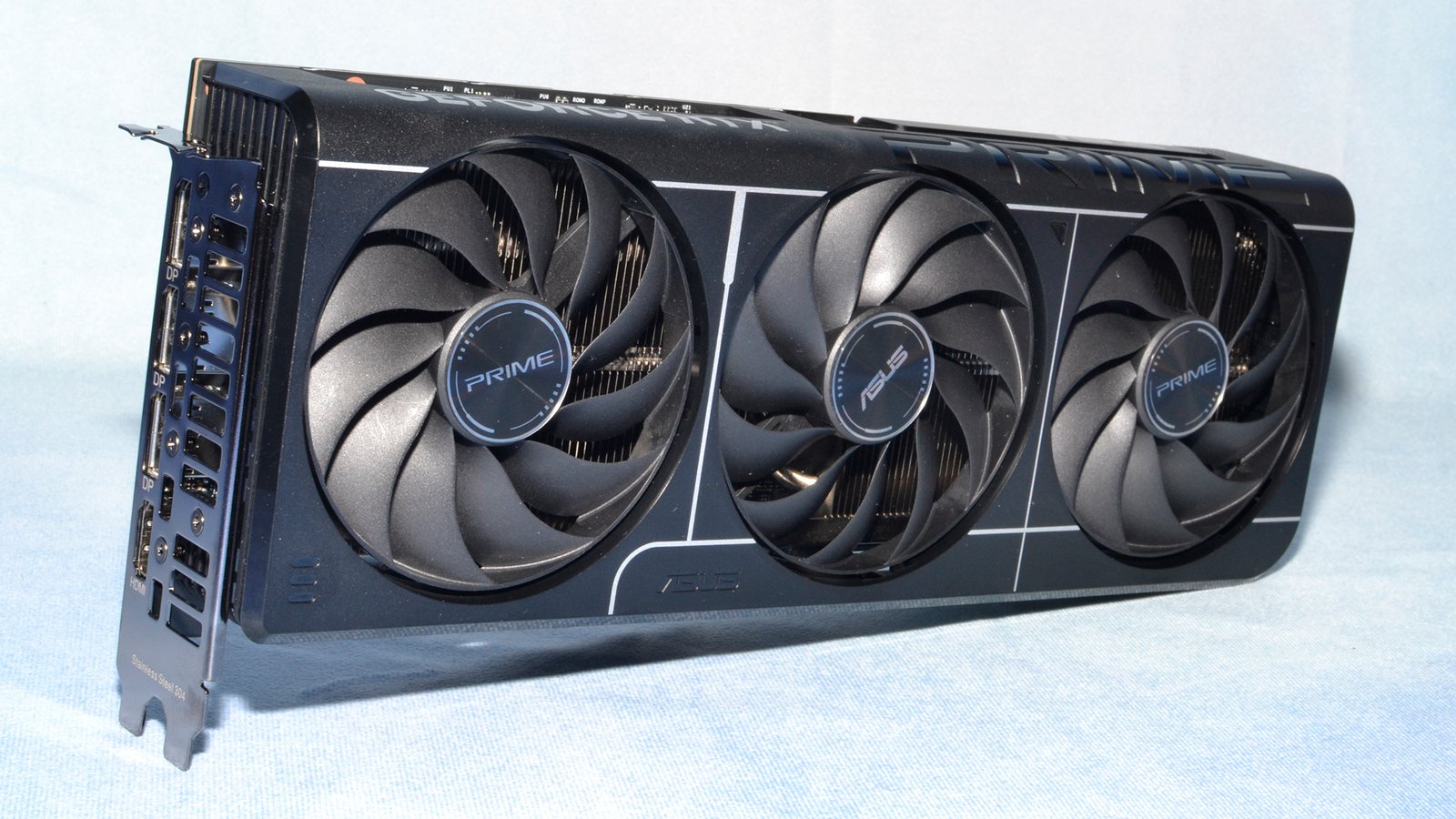
In the ever-evolving landscape of graphics cards, the Nvidia GeForce RTX 5060 Ti emerges as a strong contender in the mid-range segment, promising enhanced performance and capabilities for gamers and creators alike. With its dual memory variants and the latest GDDR7 technology, this card aims to address the growing demand for higher efficiency and speed in modern applications. Let’s delve into the specifications and real-world performance of the RTX 5060 Ti to see how it stands against its competitors and whether it’s worth your investment.
- Memory: 8/16 GB GDDR7
- Boost Clock: 2692 MHz
- TDP: 180W
- Ray Tracing Cores: Yes
- Key Feature: Advanced AI Rendering
| Key Specifications | |
|---|---|
| Memory | 8/16 GB GDDR7 |
| Boost Clock | 2692 MHz |
| TDP | 180W |
| Ray Tracing Cores | Yes |
| Architecture | Ada Lovelace |
In This Review
Overview & Key Features
The Nvidia GeForce RTX 5060 Ti is part of Nvidia’s latest lineup, designed to cater to gamers who prioritize high performance without breaking the bank. It features two memory configurations: 8GB and 16GB of GDDR7 memory, offering flexibility based on user needs. This card is built on the Ada Lovelace architecture, which enhances performance in ray tracing and AI-driven applications. The 5060 Ti is particularly notable for its boost clock speed of up to 2692 MHz, allowing for smooth gameplay even in demanding titles. It also boasts a thermal design power (TDP) of 180W, making it relatively power-efficient for the performance it offers.
One of the key features that sets the RTX 5060 Ti apart is its advanced AI rendering capabilities, which improves frame rates in supported games while enhancing visual fidelity. This technology is especially beneficial for streamers and content creators who require high-quality output without sacrificing performance.
Performance & User Experience
When it comes to performance, the Nvidia GeForce RTX 5060 Ti impresses across various gaming benchmarks. In rasterized gaming scenarios, it competes well with previous generation cards, delivering smooth frame rates at 1080p and even 1440p resolutions. In ray tracing tests, the card excels, showcasing its ability to handle real-time lighting and shadows effectively, which is often a challenging task for mid-range GPUs.
Real-world gaming experiences reveal that the RTX 5060 Ti can comfortably run most modern titles at high settings. For instance, games like “Cyberpunk 2077” and “Call of Duty: Modern Warfare” maintain playable frame rates even with ray tracing enabled, thanks to the card’s robust architecture and memory specifications. Users have reported minimal thermal throttling, with effective cooling solutions in place, making it a reliable option for extended gaming sessions.
Moreover, the user experience is enhanced by Nvidia’s software ecosystem, which includes features like GeForce Experience, allowing for easy driver updates and game optimizations. The integration of AI-driven technologies also provides an additional edge in performance, particularly in games that support DLSS (Deep Learning Super Sampling).
Comparison
In comparison to its primary competitor, the AMD Radeon RX 6800, the Nvidia GeForce RTX 5060 Ti offers superior performance in ray tracing scenarios, thanks to its dedicated ray tracing cores and advanced AI features. The RX 6800, while strong in traditional raster performance, tends to fall behind in titles that leverage ray tracing technology.
Additionally, the pricing strategy employed by Nvidia for the RTX 5060 Ti, particularly with the introduction of a 16GB variant, aims to address concerns over memory limitations seen in previous generations. This can be particularly relevant for gamers who plan to future-proof their systems as games continue to demand more VRAM.
Overall, while both cards have their strengths, the choice between the RTX 5060 Ti and its competitors should be informed by the specific needs of the user, particularly regarding ray tracing and potential future titles that may leverage advanced graphical features.
Looking for more options? Check out our Best prebuilt gaming towers.
Pros & Cons
- Strong performance in ray tracing
- High boost clock speed
- Flexible memory options
- Good power efficiency
- 8GB variant may be limiting for some
- Availability issues
- Slightly higher price point compared to competitors
FAQ
What is the difference between the 8GB and 16GB variants?
The 16GB variant provides more VRAM, which can enhance performance in memory-intensive tasks and future-proofing.
Is the RTX 5060 Ti good for 4K gaming?
While it can handle some 4K gaming, it is primarily designed for 1080p and 1440p resolutions.
Does it support ray tracing?
Yes, the RTX 5060 Ti features dedicated ray tracing cores for enhanced graphics.
What is the recommended power supply for the RTX 5060 Ti?
A power supply of at least 550W is recommended for optimal performance.
Final Verdict
The Nvidia GeForce RTX 5060 Ti stands out as a solid option for gamers looking for a balance of performance and affordability. Its advanced features and capabilities make it suitable for both gaming and content creation.